
Designing a Custom Home in a Cold Climate: Features to Consider
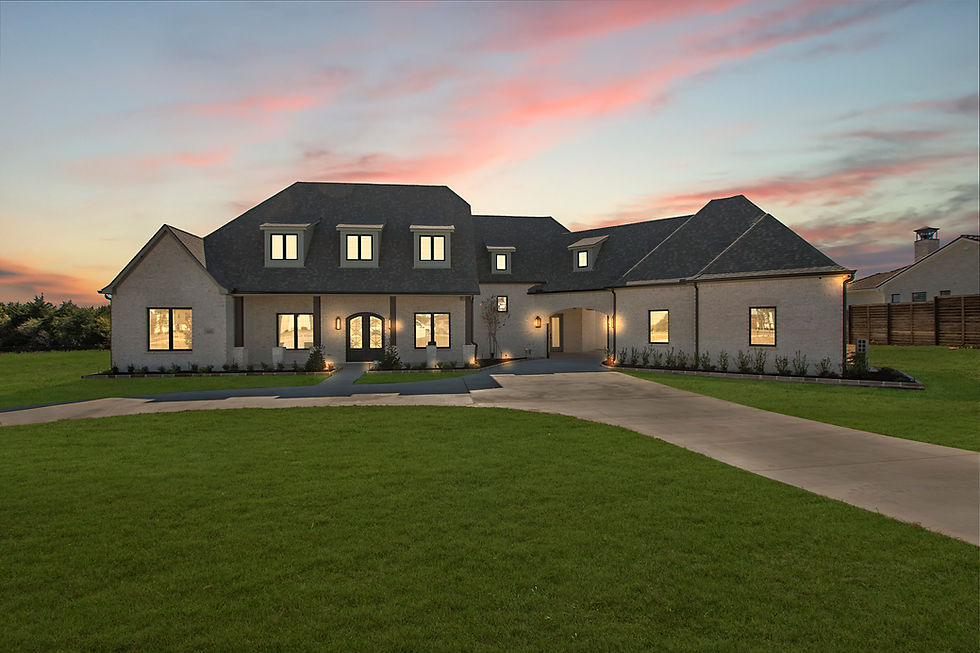
Creating a custom home in a cold climate is not just about picking a nice floor plan. Each decision that is made when designing such a project will have an effect on comfort, energy efficiency, and longevity. Well-designed houses will be comfortable in cold climates, but at the same time, they will use less energy and be cheaper to maintain.
Careful planning will also help homeowners to create spaces that remain functional despite any change in weather conditions. Through a proper combination of durable materials and weather-sensitive designs, custom homes can become more comfortable yet effective.
Insulation for High Performance
i) Thermal Performance: Effective insulation is important to ensure stable temperatures indoors, along with reduced loss of heat during winter. This also contributes to designing an energy-efficient home.
ii) Low Energy Consumption: Insulating walls, ceilings and floorings will make the job easier for the heating system. In addition, it will increase efficiency and lower energy expenses.
iii) Consistent Comfort: Good insulation keeps the interior warmer in winter and ensures year-round comfort. It is also crucial for attaining high home performance.
Insulation and Comfort
The insulated walls ensure constant temperatures inside.
Good insulation decreases unnecessary heat losses in winter.
Good thermal performance increases long-term efficiency.
Windows for Saving Energy
i) Increased Thermal Effectiveness: Today’s windows keep out cold air while permitting sunlight to enter, thus adding to comfort without excess heat loss.
ii) Design of Windows: With triple-pane glass and Low-E coatings, the insulating value of windows is increased while still preserving the views.
iii) Comfortable Life: Proper placement of windows leads to balanced sunlight and comfort.
Windows that Use Intelligence
Multi-pane glass enhances insulation qualities.
Low-E glass ensures minimal loss of unnecessary heat.
Proper design of the windows will ensure proper utilization of sunlight and energy efficiency.
Efficient Heating Systems
i) Efficient Heating: The heating system must be incorporated during the planning process of the home. Proper planning will ensure proper temperatures throughout the year.
ii) Modern Efficiency: Radiant heating systems, zoned HVAC systems, and heat pumps ensure efficient heat due to less energy consumption.
iii) Daily Comfort: Efficient heating increases comfort and makes the home more efficient overall.
Designed To Be Warm
Energy-efficient heating is among the characteristics of an energy-efficient custom home.
With zoning, you will have better control of temperatures.
The technology will help in saving energy.
Materials for Durability Exterior
i) A Well-Protected Outside: Cold climate, moisture, and temperature variations add additional stresses on exterior materials.
ii) Using Brick and Stones and Long-lasting Finishes: High-quality roof, roofing, water-proof siding, and finishes can increase durability while lowering maintenance needs. Bricks and natural stones used in the external walls, path, and other places provide resistance to weathering, regular use, tears, and small scratches. The strong and maintenance-free surface of the materials makes them ideal for use in houses where pets roam around.
iii) Reliable Over Time: Use of durable materials will ensure that homes constructed will remain attractive and reliable all through the seasons.
Protection That Endures
Durability provides better performance during bad weather.
Moisture resistance increases structural longevity.
Sturdy exteriors decrease maintenance costs in the future.
Designing Warm and Comfortable Interiors
i) Efficient Yet Open Layout: Efficiently designed interiors facilitate heat flow while eliminating cold areas, maintaining a comfortable interior space during winters.
ii) Insulated Interiors: Good insulation of interior walls, ceilings, and floors keeps the interiors warm, conserves energy, and makes life more comfortable.
iii) Cozy Interiors: Elements such as fireplaces, seating arrangements, and warm light fixtures design cozy interior spaces where family members can relax during cold weather periods.
Interior Elements Benefiting Cold-Climate Living
Open interiors which facilitate efficient heat distribution.
Insulation that ensures all-year-round comfort.
Heating elements in the form of fireplaces.
Warm floors and lighting that create a cozy space.
Energy-saving windows that bring maximum sunlight inside.
Build a Custom Home for Cold Weather with Augusta Custom Homes
Our approach at Augusta Custom Homes is that every Custom Home in a Cold Climate must be both planned and performative. Our experience in insulation, heating, durable construction materials, and adaptable floor plans will enable our homeowners to build homes that are always comfortable, efficient, and functional.
Good homes are planned not only for today but for the many years to come. The implementation of good cold weather home design ideas by the homeowner will result in all of these positive attributes being achieved.
FAQs
Why is insulation significant in cold-climate homes?
Proper insulation would be able to reduce the loss of heat, increase comfort indoors, and make buildings energy efficient.
Which home features are most beneficial for cold climates?
Properly insulated walls, energy-efficient windows, reliable heating systems, high-quality exterior materials and adaptable floor plans are some of the most valuable home features.
How does an energy-efficient custom house lower heating expenses?
Energy-efficient custom houses minimize heat losses due to better insulation, energy-efficient windows and heating systems in general, lowering total energy usage.
Why must heating systems be considered at the home design stage?
By planning the heating system earlier, homeowners can install efficient systems that will increase their comfort while improving the whole house performance.
What factors should homeowners consider when designing for the cold season?
Thermal performance, tough building materials, adaptability of the space, and climate-sensitive design could lead to more comfortable homes.